Who Teaches You to Spend?
The hidden fear of running out.

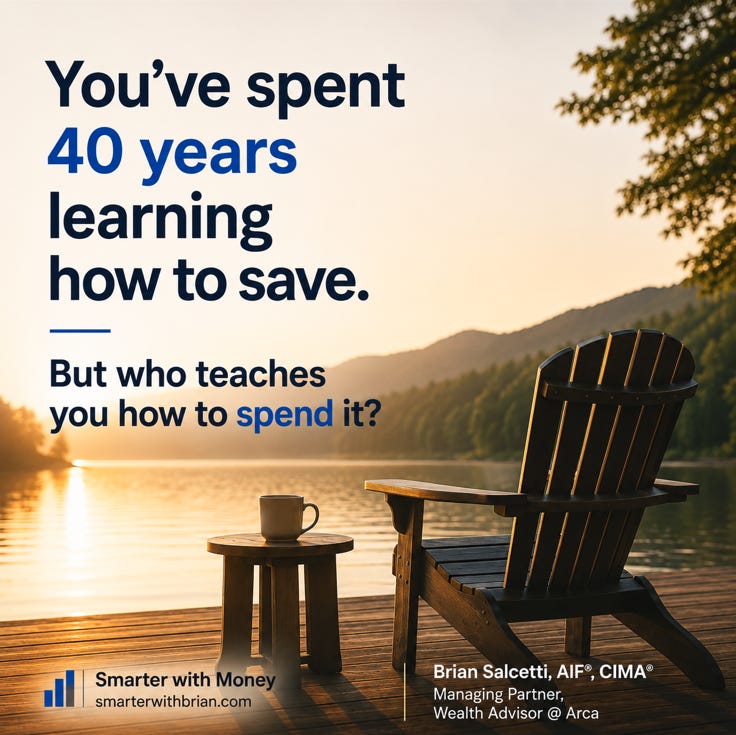
If I asked you one question today...
Could you comfortably spend an extra $25,000 this year?
How would you answer?
For many retirees, the hesitation isn’t because they don’t have the money. It’s because spending feels uncomfortable.
After decades of working, saving, investing, and delaying gratification, saving becomes part of your identity. Then one day, retirement arrives, and someone hands you a financial plan that says:
“You’re okay. You can start spending now.”
That sounds simple.
In reality, it may be one of the hardest financial transitions you’ll ever make.
When “Enough” Doesn’t Feel Like Enough
A retired couple came into my office a few years ago. They had done everything right, a paid-off home, Social Security, pensions, and a portfolio worth several million dollars.
They wanted to know if they could finally take the three-week trip to Italy they had talked about for twenty years.
As we walked through their plan, the answer became clear.
They could afford it. Not just once, but every year.
Still, they kept asking the same question: “Are you sure?”
It wasn’t really about Italy. It was about permission.
The Hidden Fear of Running Out
Researchers now have a name for this feeling:
FORO — Fear of Running Out
It’s the anxiety that even after you’ve accumulated enough wealth, one market decline, unexpected expense, or wrong decision could leave you without enough.
I’ve seen it in different forms.
The retired engineer who delayed replacing his 20-year-old car because spending still felt extravagant.
The widow who wanted to help her granddaughter with college but worried she’d “need every dollar,” even though her financial plan showed she could comfortably make the gift.
The couple who dreamed of buying a small beach condo but postponed the decision year after year because “this might be the year the market crashes.”
These aren’t stories about poor planning.
They’re stories about human behavior.
Money Was Never the Goal
One of the ideas that stayed with me after reading Morgan Housel’s The Art of Spending Money is that money’s greatest purpose is freedom.
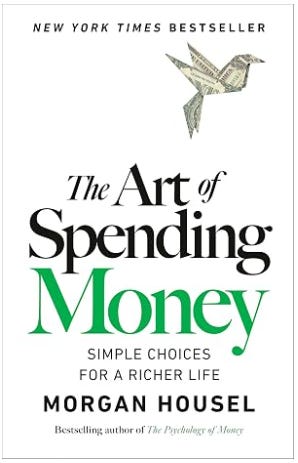
Freedom to spend your time the way you want.
Freedom to help the people you love.
Freedom to create experiences you’ll remember long after you’ve forgotten what the S&P 500 returned in a particular year.
That sounds obvious.
Yet many people become so focused on building wealth that they never stop to ask:
What was the money for in the first place?
A Different Definition of Success
Many people think a successful retirement means dying with the largest portfolio possible.
I don’t.
Success is using money intentionally. A portfolio isn’t the finish line, it’s a tool that gives you choices.
Eventually, every good financial plan has to answer a much more personal question:
Can I enjoy what I’ve built?
Sometimes my job isn’t encouraging someone to save more.
Sometimes it’s helping them feel confident enough to spend.
Not recklessly. Intentionally.
The Real Value of a Financial Plan
The greatest value of a financial plan isn’t simply better investments or lower taxes.
It’s confidence.
Confidence to book the trip.
Confidence to help your children.
Confidence to retire when you’re ready.
Confidence to spend intentionally on the life you’ve worked so hard to build.
As Morgan Housel reminds us, money’s greatest purpose is freedom.
I would add one thought. Freedom only matters if you give yourself permission to use it.
One Question
If you knew—with confidence—that your financial plan could support it...
What would you spend more on?
I’d love to hear your answer.